
Alpha GPC
Alpha GPC is also commonly listed as alpha-glycerylphosphorylcholine, choline alfoscerate, or GPC on supplement labels.
Alpha GPC is a choline-containing compound commonly used in supplements for cognitive support, memory, and focus. It is also found in some pre-workout products because it has been studied for power output and neuromuscular performance. Important: Alpha GPC is often marketed as a fast-acting “brain booster”, but the research is mixed, and long-term safety questions have also been raised.
What is Alpha GPC?
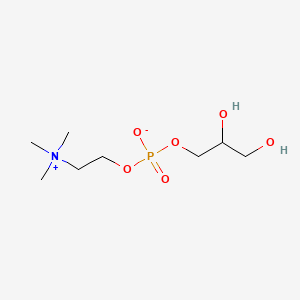
Alpha GPC, short for L-alpha-glycerylphosphorylcholine, is a choline-containing compound that can serve as a source of choline for the body. Choline is needed to make acetylcholine, a neurotransmitter involved in memory, learning, and muscle contraction.
Alpha GPC has been studied in areas such as cognitive impairment, dementia-related symptoms, and exercise performance. Some clinical studies and reviews suggest possible benefits in specific settings, but the evidence is not strong enough to treat Alpha GPC as a guaranteed focus enhancer for healthy people.
Alpha GPC benefits and common uses
In supplements, Alpha GPC is usually positioned as a targeted choline source. It is most commonly used for:
- Cognitive support: Alpha GPC has been studied for memory and cognitive function, especially in older adults and people with cognitive decline.
- Focus support: It is often included in nootropic products marketed for mental performance, although evidence in healthy users is more limited than the marketing usually suggests.
- Exercise performance: Some small studies have examined Alpha GPC for peak force output, power, and related workout performance measures.
How it may feel for users
User experiences vary, but people often describe Alpha GPC as making them feel more mentally clear, more focused, or more “locked in”. Others notice little effect, especially when the product dose is low or the formula hides the real active yield.
Some users also report headache, digestive discomfort, restlessness, or feeling overstimulated, particularly when the dose is too high or when Alpha GPC is stacked with several other stimulants or cholinergic ingredients.
Alpha GPC dosage: typical ranges in supplements
Most supplement products provide 300 mg to 600 mg per serving.
- 300 mg: common in nootropic and focus formulas.
- 600 mg: often used in sports-performance studies and in standalone products.
- Research context: cognitive studies in clinical populations have also used higher total daily amounts, depending on the condition being studied.
NutriDetector generally favors products that disclose the real active Alpha GPC amount rather than using vague labeling that makes the dose look stronger than it is.
Alpha GPC side effects and safety considerations
- Headache and GI discomfort can happen: some users report headache, nausea, heartburn, or digestive upset.
- Stacking can increase side effects: products that combine Alpha GPC with high caffeine, tyrosine, or other “focus” ingredients may feel harsher for sensitive users.
- Long-term safety is not fully settled: a large cohort study reported an association between long-term Alpha GPC use and higher stroke risk, but that does not prove direct causation.
- Evidence is condition-specific: some findings are more relevant to older adults or clinical populations than to healthy young users looking for acute focus.
Who should be extra careful with Alpha GPC?
Alpha GPC may deserve extra caution if you:
- are sensitive to stimulants or stimulating nootropic blends;
- already get headaches, jaw tension, or nausea from cholinergic products;
- plan to use it long term at high doses without clear reason;
- are trying to self-manage serious memory, mood, or neurological symptoms without medical evaluation.
How NutriDetector evaluates Alpha GPC
NutriDetector scores Alpha GPC products based on what matters most for usefulness and label transparency:
- Clear active yield: the product should make it clear whether the dose refers to total material or active Alpha GPC.
- Reasonable dosing: we prefer products that provide a meaningful disclosed amount instead of decorative pixie-dusting.
- Less hype, more context: “brain fuel” and “instant genius” language is not a quality signal.
- Appropriate positioning: Alpha GPC makes more sense in cognition or performance formulas than in generic “everything booster” blends.
Pixie-dusting and label tricks
Alpha GPC is often used in “focus”, “gaming”, or “pre-workout” formulas that look stronger on the label than they really are.
- Watch the active yield: some materials are sold as lower-purity Alpha GPC powders, so a label can look impressive while delivering less active compound than expected.
- Check whether the dose is fully disclosed: proprietary blends make it hard to judge whether the product contains a meaningful amount.
- Be skeptical of extreme claims: terms like “instant clarity”, “extreme focus”, or “brain on demand” are marketing language, not proof of efficacy.
FAQ
What is the difference between Alpha GPC and citicoline?
Both are used as choline donors in cognitive supplements, but they are different compounds. Alpha GPC is often marketed for acute focus and workout support, while citicoline is more often positioned for broader cognitive support.
Does Alpha GPC help with workouts?
Some small studies suggest Alpha GPC may support peak force output or related exercise-performance measures, but the evidence is still limited and should not be overstated.
Can Alpha GPC cause headaches?
Yes. Some users report headaches, jaw tension, nausea, or feeling overstimulated, especially at higher doses or when combining Alpha GPC with other strong nootropic ingredients.
Is Alpha GPC safe for long-term daily use?
Long-term safety is not fully settled. A large observational study found an association between long-term Alpha GPC use and higher stroke risk, but this does not prove cause and effect.
📚 Scientific References & Safety Sources
- NIH overview of choline and health: Office of Dietary Supplements, National Institutes of Health. Choline – Health Professional Fact Sheet. [NIH ODS]
- Cognitive impairment review and meta-analysis: Activity of Choline Alphoscerate on Adult-Onset Cognitive Dysfunctions: A Systematic Review and Meta-Analysis. [PubMed]
- Mild cognitive impairment clinical study: Efficacy and safety of choline alphoscerate for amnestic mild cognitive impairment. [Study]
- Exercise performance and GH response: Ziegenfuss T, et al. Acute supplementation with alpha-glycerylphosphorylcholine augments growth hormone response to, and peak force production during, resistance exercise. [PubMed]
- Long-term stroke-risk association: Lee G, et al. Association of L-α Glycerylphosphorylcholine With Subsequent Stroke Risk After 10 Years. [PubMed]
- General overview of claimed uses and evidence limits: Alpha-GPC overview. [WebMD]